
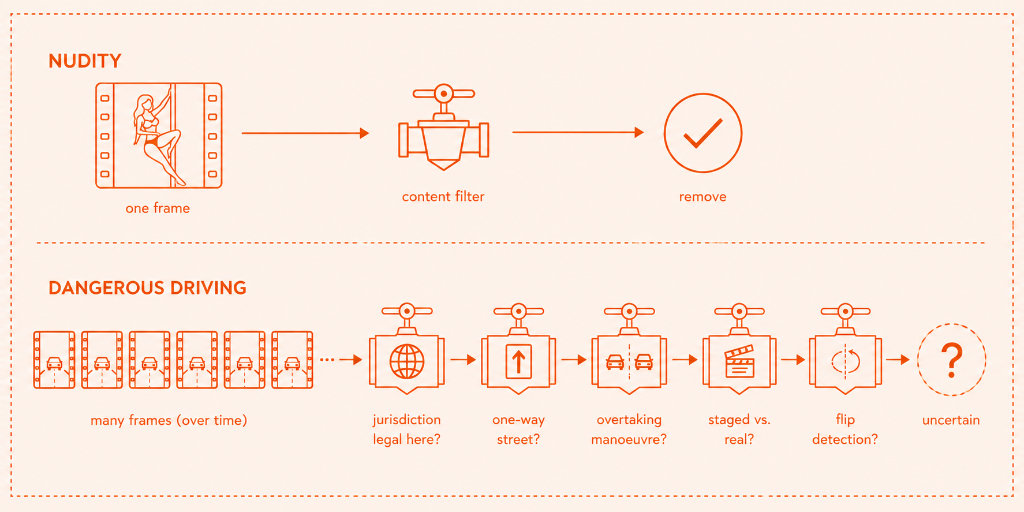
A journalist made a claim about content moderation that many people would accept - if the platform can detect a nipple, it can catch a car driving the wrong way down a motorway. The claim is wrong, and it is wrong for the same reason your clients think the second thing you build should cost less than the first.
Read more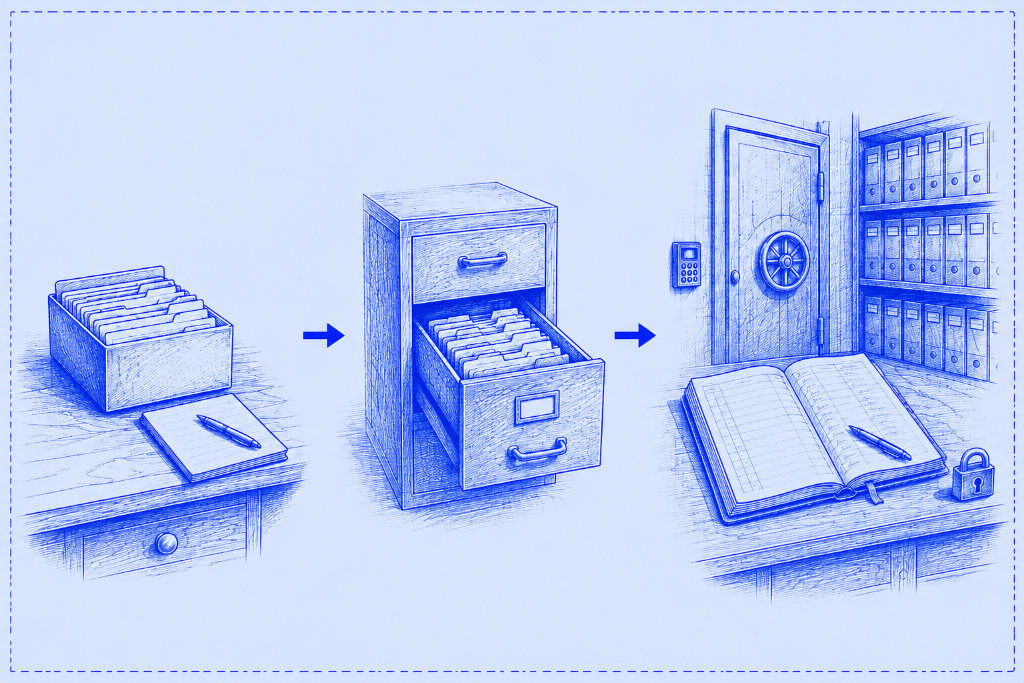
Garry Tan says systems of record must become AI harnesses or face replacement by agents. This post traces the constraint from the sole practitioner's context problem, to the fifty-person practice's consistency problem, to the audit trail a regulated firm cannot do without.
Read more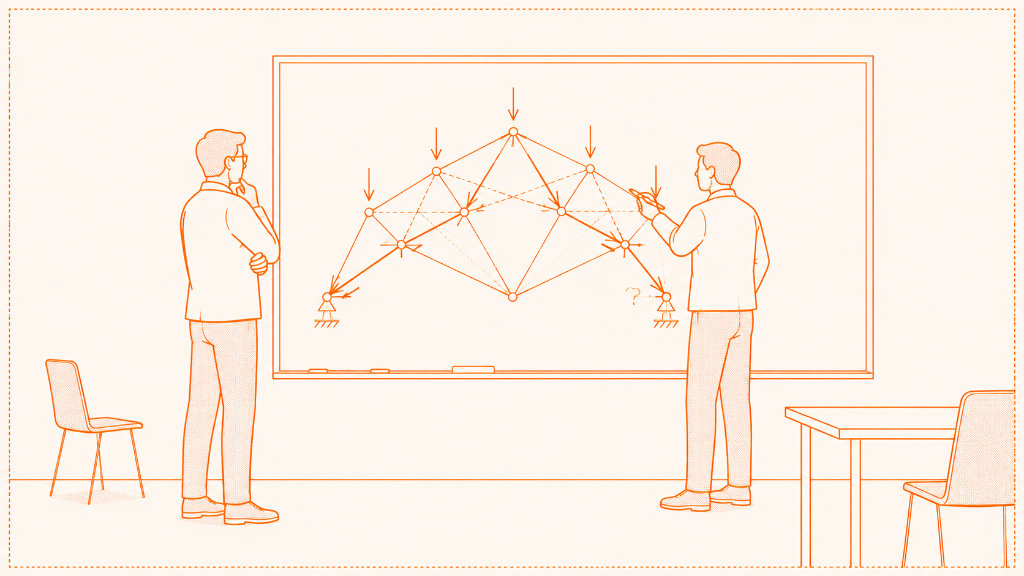
A graduate freezes on a basic engineering question in a job interview. This post uses Nolan Lovett's research to explain why - AI can quietly strip out the judgement-building work graduates need, even while output and headcount keep rising. It ends with concrete steps a practice can take to keep training real.
Read more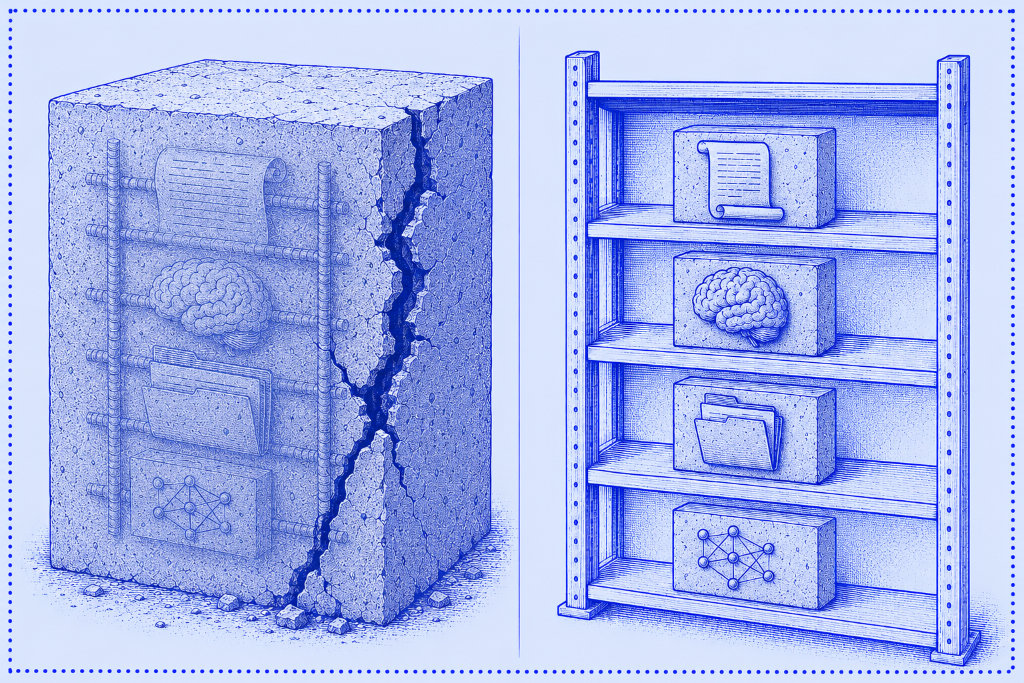
Project interfaces like Claude Projects and ChatGPT Projects are convenient because everything lives in one place. That convenience is also what makes them hard to change, because the pieces inside move at very different rates. This post takes an idea from Stewart Brand about how buildings age, and applies it to an afternoon spent moving files onto a disk.
Read more
Two studies published three days apart, the ONS's UK business survey and Google's ATLAS report on Gemini usage, show AI reaching most firms while changing very little inside them. Adoption has been broad but shallow, driven by individuals rather than any strategic redesign. The real question is not whether a firm uses AI, but who chose the work it touches.
Read more
AI has removed the friction that used to keep a team's judgement in sync, but the need for that shared understanding hasn't gone anywhere. This post traces the idea from software's comprehension debt to a professional firm's tacit debt, and suggests some fixes.
Read more
Frontier models keep swapping places, and every flip tempts firms to retool or freeze. Neither reaction matters if the process lives in a document the business owns rather than in one person's prompts.
Read more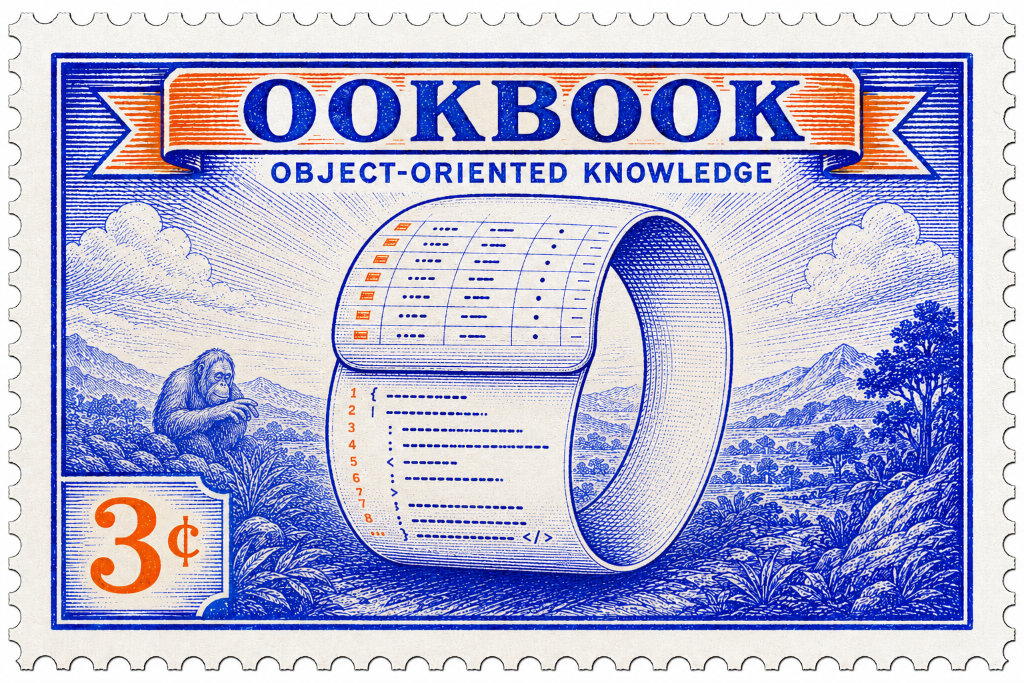
Every AI user has experienced this - you spend an afternoon collecting the perfect dataset, then a month later you cannot remember how. Ookbook solves this by embedding collection instructions inside the data itself - a plain markdown file that knows how to refresh itself.
Read more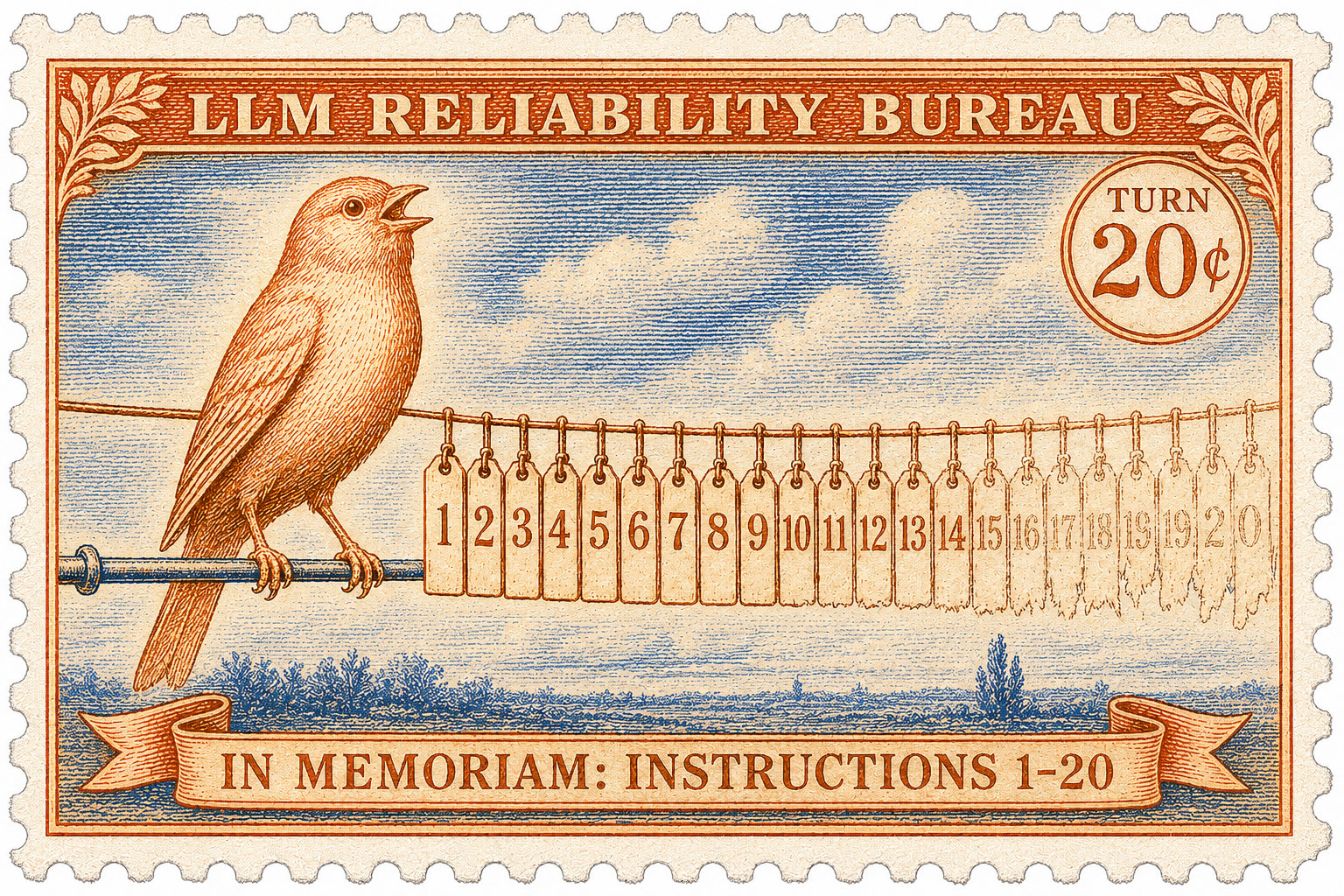
AI models quietly stop following your instructions well before they hit any context limit, and they do it without warning. Planting a single repeated emoji in every reply turns that invisible failure into something you can check in half a second.
Read more
Successful consultancy changes how an organisation operates. The slide deck is the deliverable the client pays for, files, and forgets. The change - when it comes - seems to happen anyway. If the deck was never the driver, then for years clients may have been paying for the wrong thing, yet getting the right result. So what were they actually buying?
Read more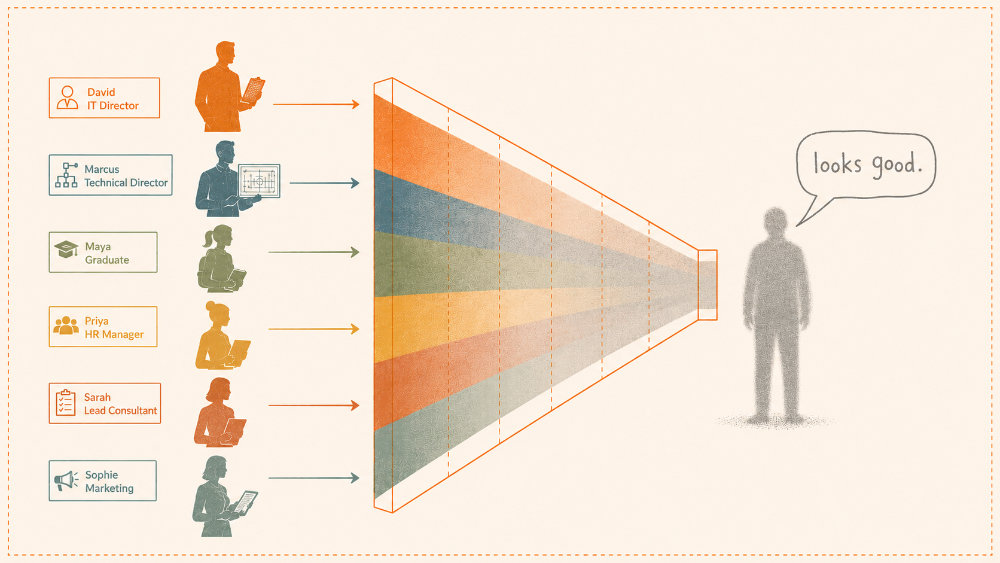
Building a custom Roundtable panel around reader archetypes rather than frameworks. What six constrained personas found in a finished post that a single AI review would have averaged away - and what changed in the published version as a result.
Read more
Effort was the currency that let strangers trust your work - the polished proposal, the hundred-commit repository, the billable hour. AI has just made it free to produce, and a currency anyone can print is worthless. The replacements on offer mainly work by shrinking the circle of who is allowed to contribute.
Read more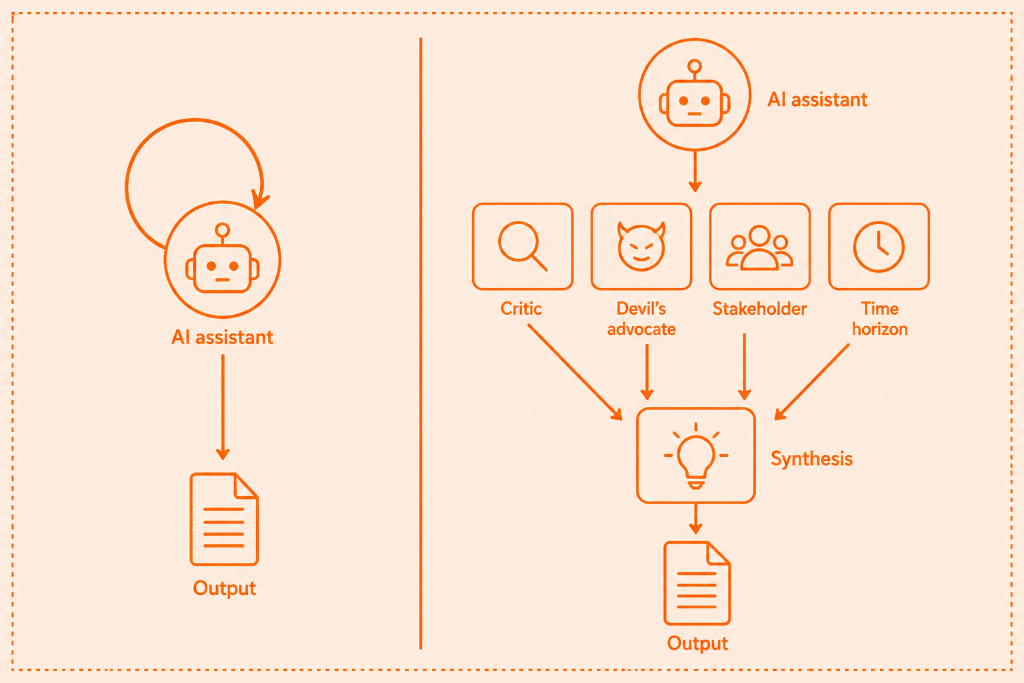
A solo practitioner has no one to push back on their document before it goes out. The AI that helped write it will not volunteer the criticism. Roundtable is a panel of built-in critics that ask the hard questions, and leaves the judgment to you.
Read more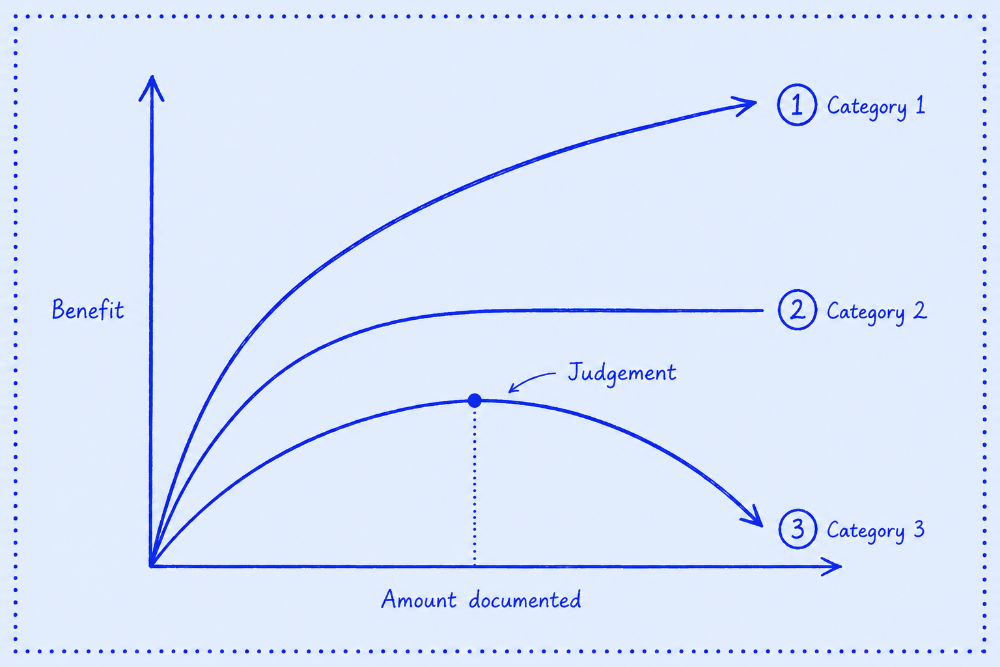
Not all knowledge behaves the same way when you try to formalise it. This post maps three categories of professional knowledge - and argues that protecting tacit expertise requires deliberate choices about what you leave out.
Read more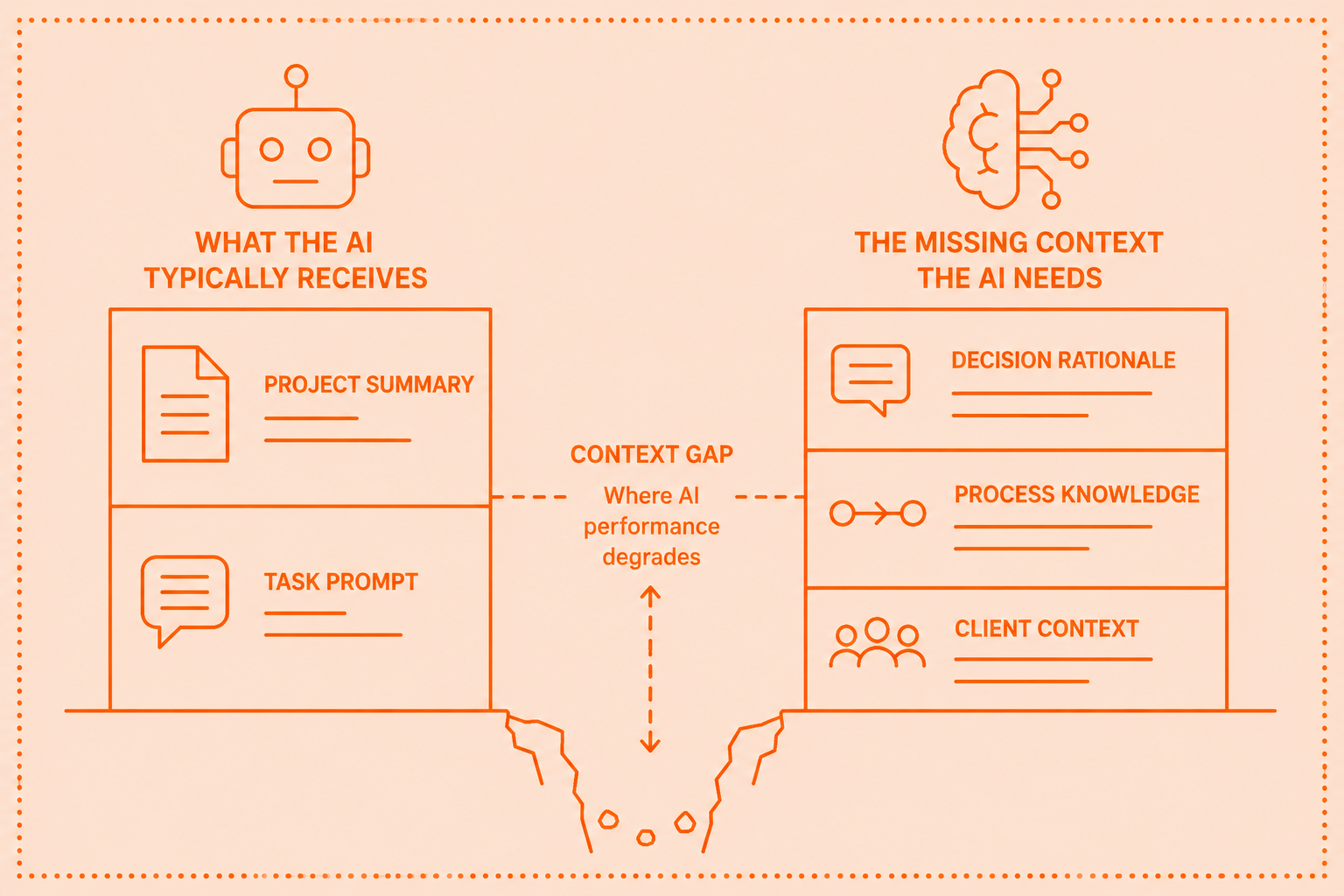
Ask most consulting firms whether AI is paying off and the answer is awkward. The tools are everywhere, the results are not. The problem is not the technology. It is the absence of written context - decision rationale, process knowledge, client understanding - the things an agent needs but almost nobody records.
Read more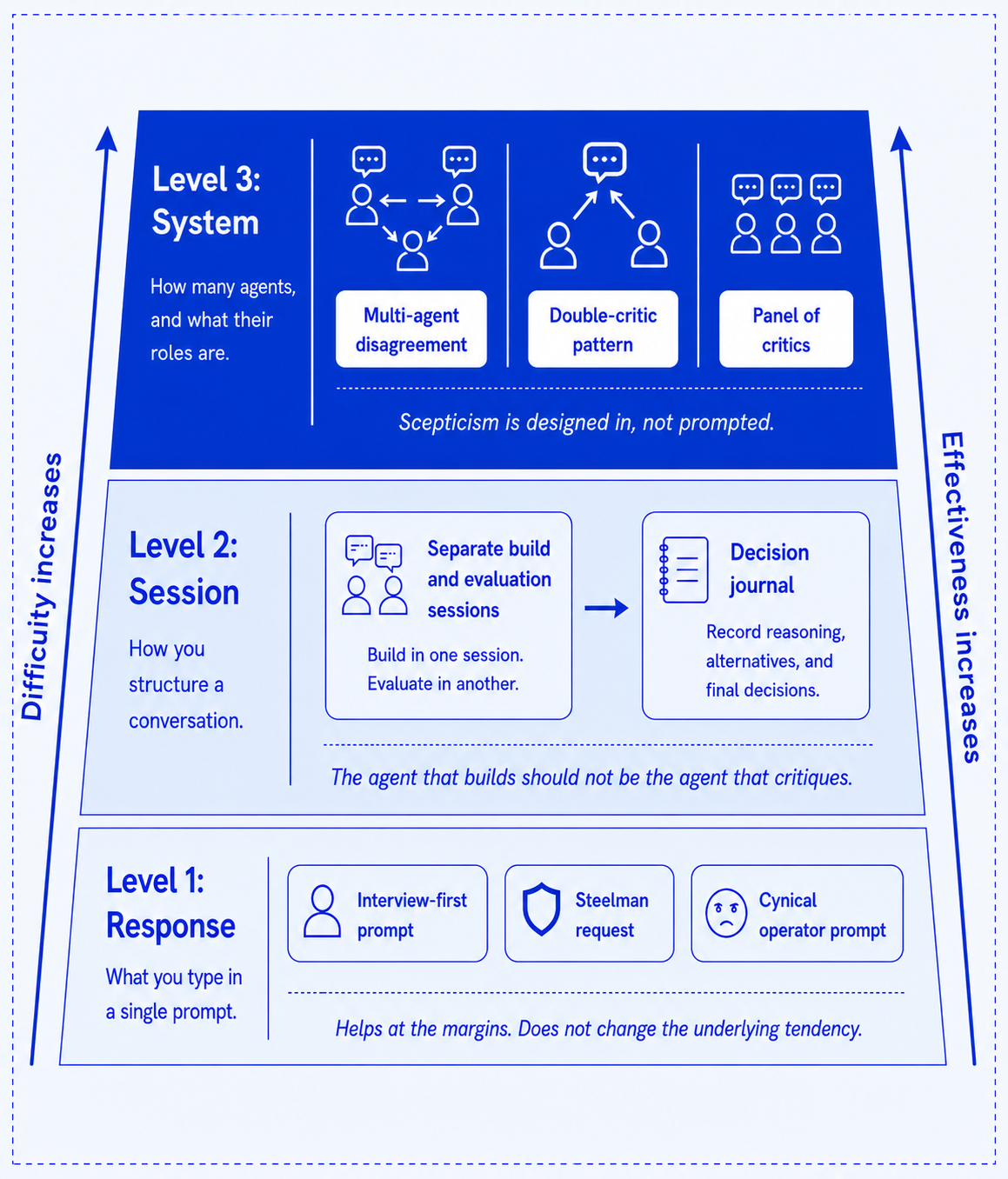
AI sycophancy is not just a prompt problem - it is an architecture problem. This post sets out a three-level framework for designing doubt into your workflow, from response-level prompts through to multi-agent critic systems.
Read more
AI didn't create the problem of lost company knowledge, but it makes the cost impossible to ignore. Every AI task starts from zero - no memory of the last coordination meeting, no awareness of the political constraint that ruled out Option B. Context engineering is a management discipline, and firms need to begin that work before the tools become critical infrastructure.
Read more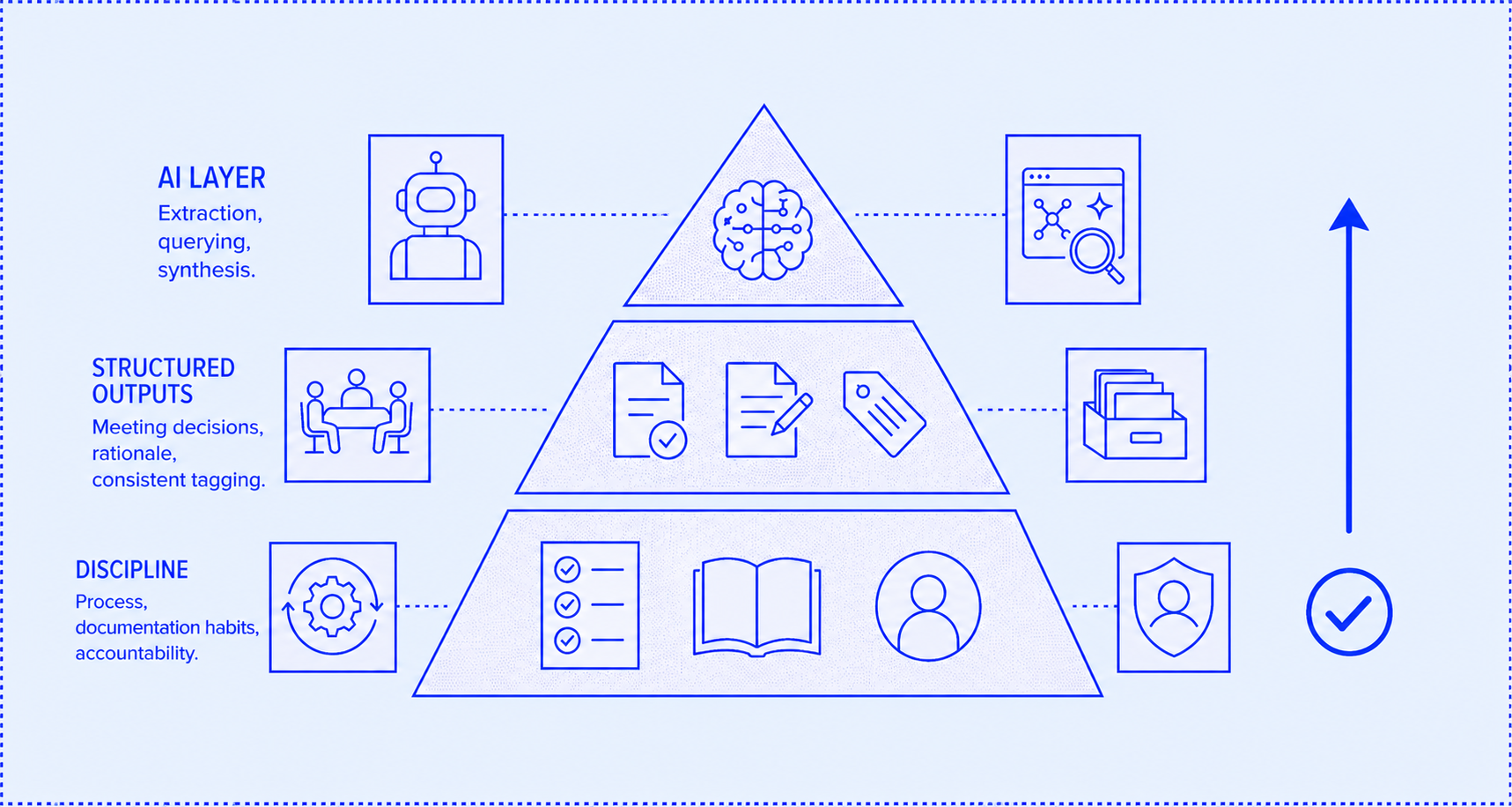
Every firm believes its knowledge problem is a storage problem. It isn't. The constraint is upstream - in the habits, the accountability structures, and the discipline that produce structured knowledge in the first place. AI shifts the bottleneck. It doesn't remove it.
Read more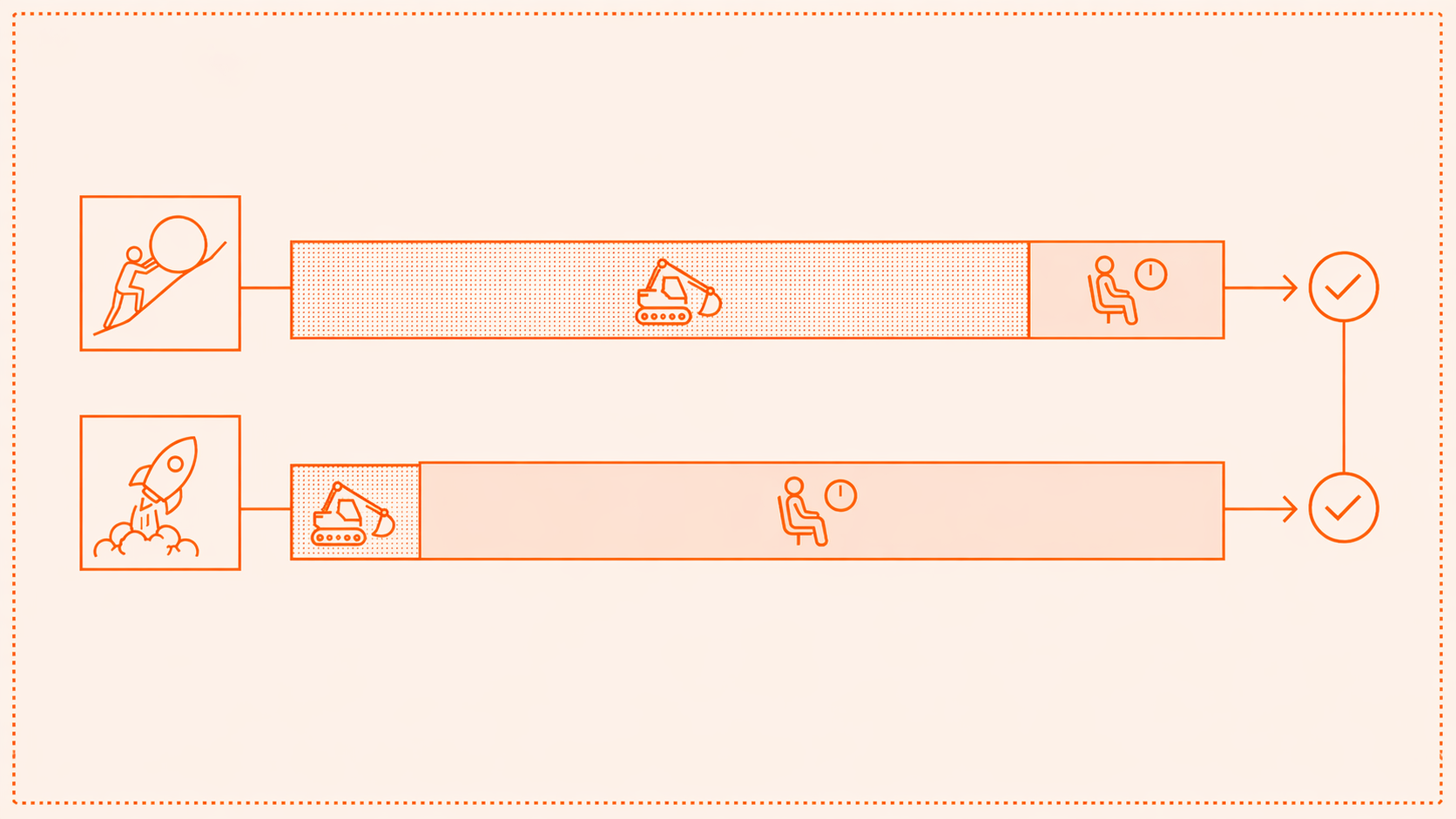
Coding agents and LLMs have made delivery faster. But faster build hasn't compressed project timelines, because the build was only the first bottleneck. Goldratt's Theory of Constraints explains what is actually happening - and where to look for the real delay.
Read more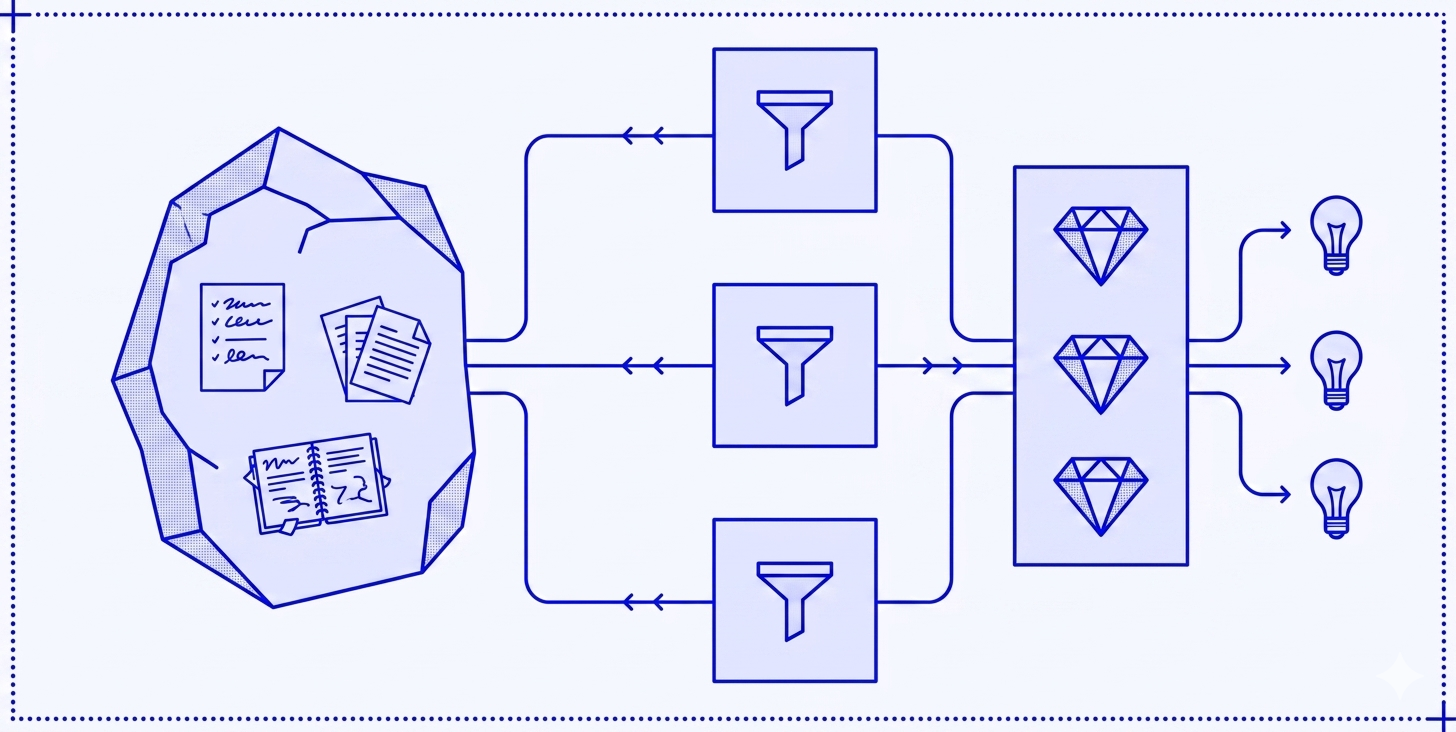
When Andrej Karpathy published his notes-to-wiki experiment, it crystallised something I'd been building toward for months. This post is about migrating a messy collection of notes into a plain markdown structure - and what happens when you hand an LLM the keys.
Read more
AI tools are trained to agree with you, and vendors have incentives to keep it that way. The agreeable persona is baked in at the training level and prompting around it only helps at the margins. For solo practitioners with no team to push back, this is a structural risk. The fix isn't using AI less, it's building friction into your workflow by design.
Read more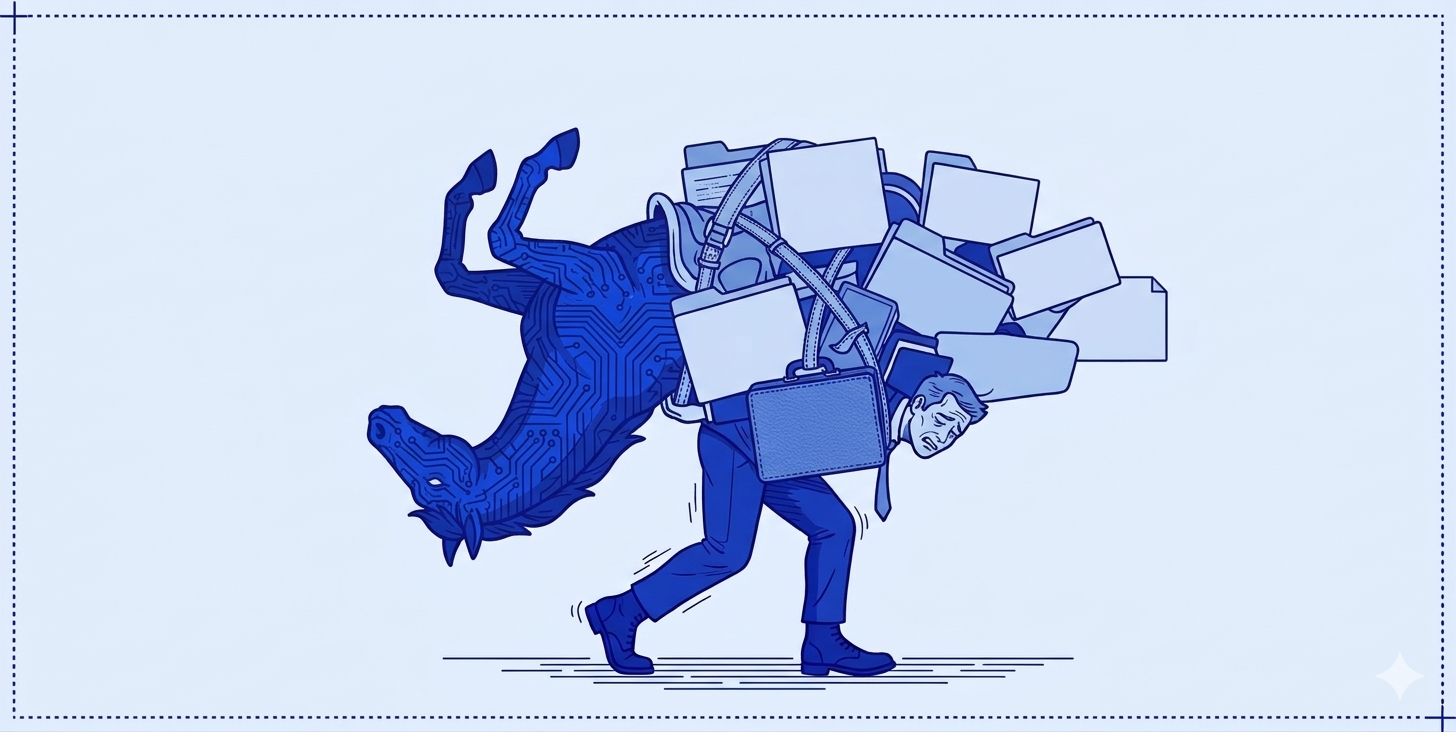
Successful AI-assisted work depends on a genuine division of labour between human judgment and machine capability. What's actually emerging is something different - humans absorbing liability for machine decisions, at scale, while the companies selling the tools express concern that you aren't using them enough.
Read more